Introduction
What to expect
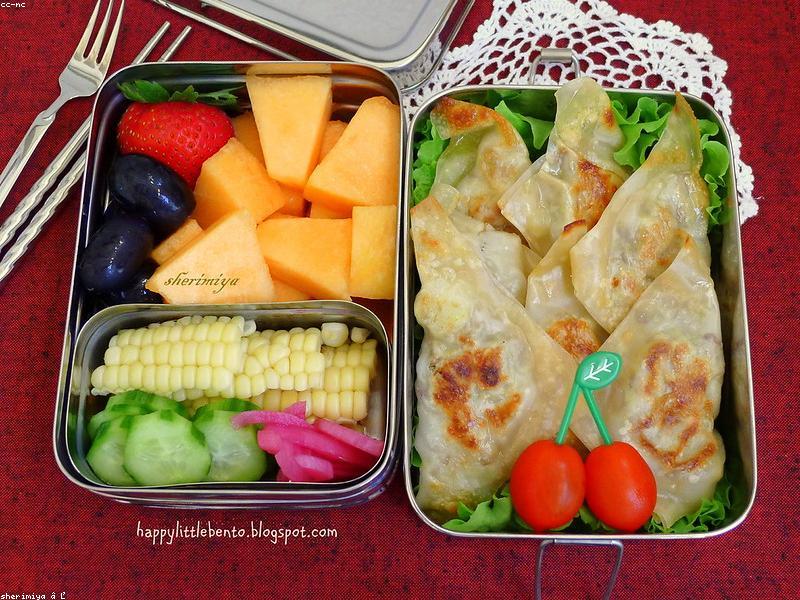
Crispy triangular pastries stuffed with spiced potatoes, peas, and aromatics.
The story
Behind the recipe
The samosa is believed to have originated in the Middle East, with precursors being baked rather than deep-fried. Its name comes from the Middle Persian word "sambosag," meaning triangular pastry. The dish was popular in Iran until the 16th century and was introduced to the Indian subcontinent in the 13th or 14th century by Central Asian and Middle Eastern cooks working in royal kitchens. It became a popular snack across South Asia and in the Indian diaspora worldwide, with regional variations in size and filling.
Method
Instructions
-
1
Boil potatoes until tender, then drain, peel, and lightly mash.
-
2
Saute cumin seeds, onion, garlic, ginger, and green chili in oil.
-
3
Add peas, spices, and mashed potatoes, stirring to combine.
-
4
Cool the filling completely before assembling samosas.
-
5
Cut samosa wrappers in half and fold each into a cone, sealing with water.
-
6
Fill the cone with potato mixture, then pinch shut to form a triangle.
-
7
Fry in hot oil until golden brown and crisp.
-
8
Drain on paper towels and serve with mint chutney or tamarind sauce.
Adaptations