Introduction
What to expect
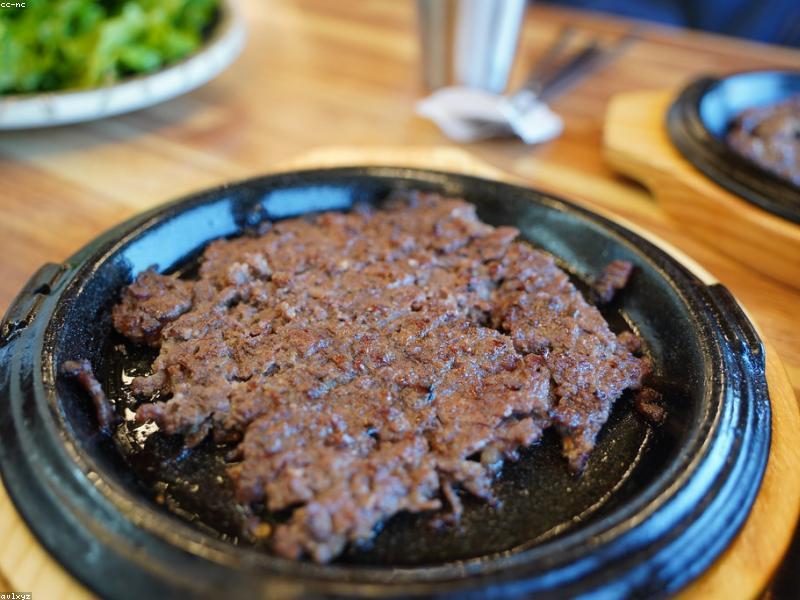
Thinly sliced Korean beef marinated in a sweet-savory blend of soy, pear, and garlic.
The story
Behind the recipe
Bulgogi is believed to have originated during the Goguryeo era (37 BCE–668 CE) and was originally called maekjeok, with beef grilled on a skewer. During the Joseon period it was known as neobiani, meaning thinly spread meat, and was a dish for the wealthy. The term "bulgogi," meaning "fire meat," comes from the Pyongan dialect and became popular in Seoul and other parts of South Korea after being introduced by refugees from Pyongan Province. Made from thin marinated slices of beef grilled or pan-fried, bulgogi is now a beloved Korean dish served with rice, side dishes, or wrapped in lettuce.
Method
Instructions
-
1
Freeze beef slightly for easier slicing, then cut into thin strips against the grain.
-
2
Grate Asian pear, garlic, and ginger into a bowl.
-
3
Whisk in soy sauce, sugar, sesame oil, sesame seeds, and pepper.
-
4
Toss beef in the marinade and refrigerate for at least 30 minutes.
-
5
Heat a grill pan or skillet over high heat until smoking.
-
6
Cook beef in a single layer for 1 to 2 minutes per side.
-
7
Garnish with sliced green onions and toasted sesame seeds.
-
8
Serve with steamed rice, lettuce wraps, and ssamjang.
Adaptations