Introduction
What to expect
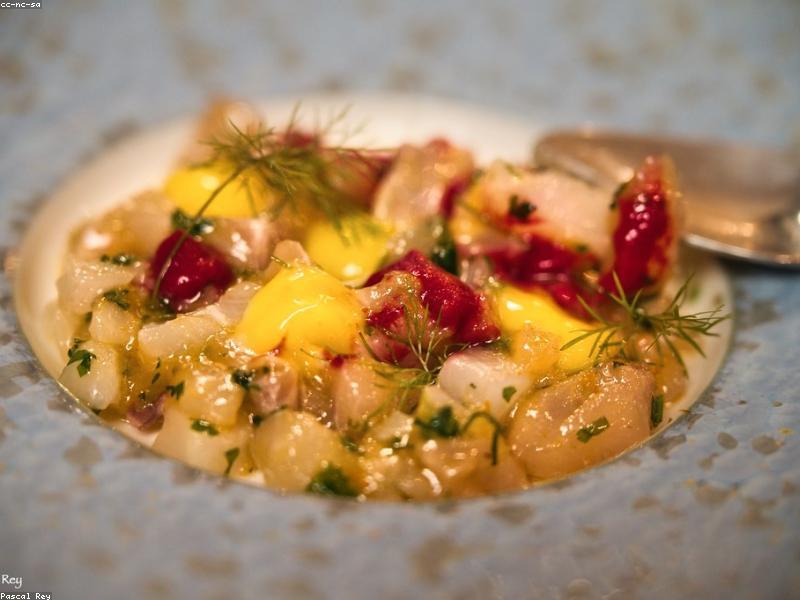
Fresh raw fish is gently cured in bright lime juice and tossed with red onion, chili, and cilantro for a refreshing coastal classic.
The story
Behind the recipe
The origins of ceviche are disputed, with Peru strongly favoring a pre-Hispanic origin along its coast. Archaeological evidence suggests early civilizations like Caral and the Moche consumed raw fish marinated with local acids and seasonings, predating the introduction of citrus by Europeans. Other theories propose origins in Central America or Polynesia. The modern version emerged during the Spanish colonial era in the 16th century, particularly in Peru, with the fusion of New World ingredients and Old World techniques including limes, onions, and vinegar. Peru's ceviche is recognized by UNESCO as an Intangible Cultural Heritage of Humanity.
Method
Instructions
-
1
Dice the fish into small, even cubes and place in a non-reactive bowl.
-
2
Pour the lime juice over the fish so it is fully submerged.
-
3
Chill for 20-30 minutes, stirring once, until the fish turns opaque.
-
4
Drain most of the lime juice, then fold in thinly sliced onion, chili, and chopped cilantro.
-
5
Season with salt and serve chilled with sweet potato and corn on the side.
Adaptations