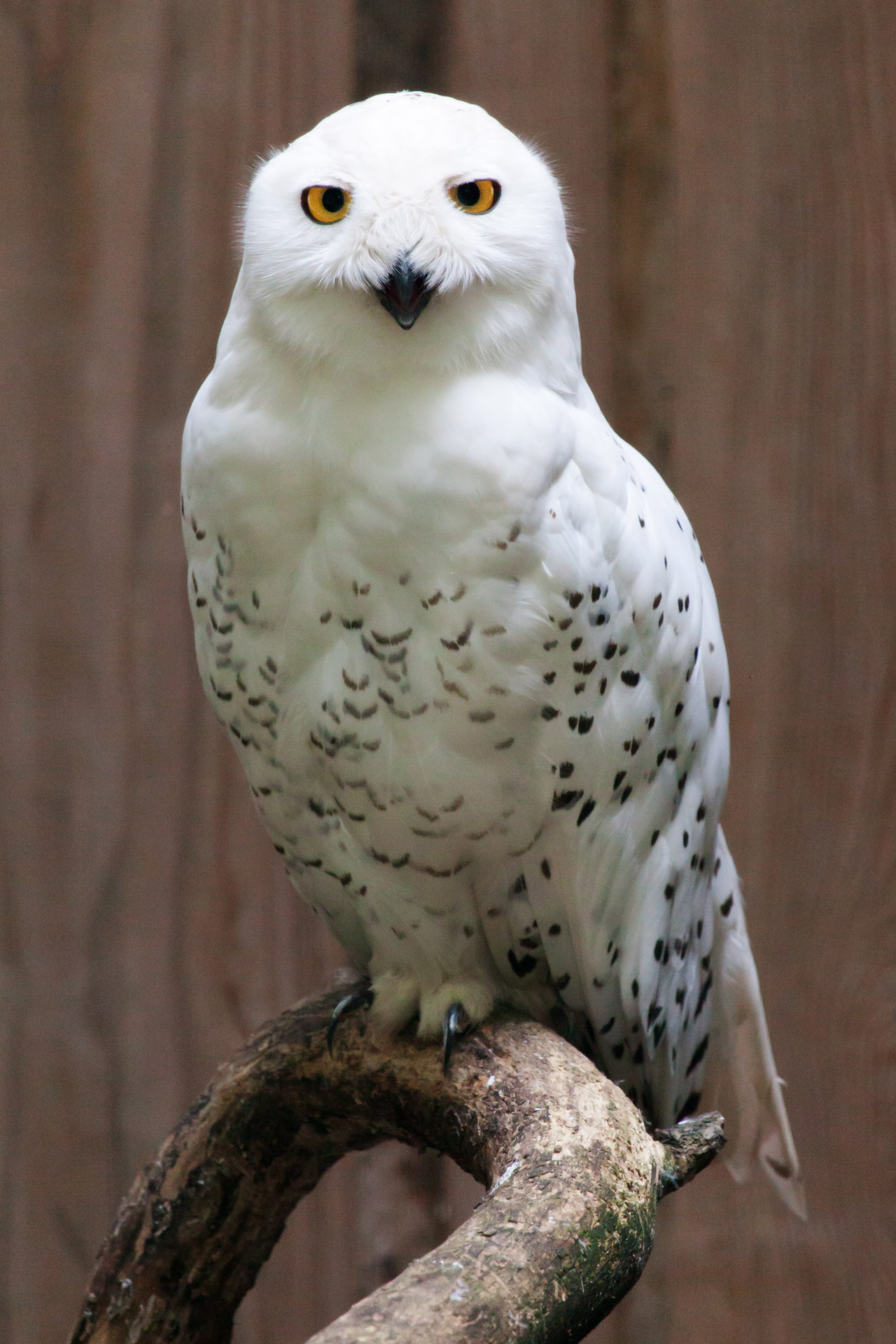
There is a particular kind of silence that descends on a frozen marsh at dawn. Not the absence of sound, exactly — more like a deep breath held by the world. The cattails are frosted white. The water is glass. And somewhere out there, among the pale reeds, a Short-eared Owl is hunting on silent wings. This is the gift of winter birding. It asks something of you — patience, layers, a willingness to be uncomfortable — and it gives something back that the bustling spring migration simply cannot.
The Quiet Season
It is easy to think of birding as a warm-weather pursuit. Spring warblers, summer tanagers, autumn hawks — the calendar fills itself with color and motion. But winter has its own rhythm, its own cast of characters. The birds that stay behind are survivors, specialists, quiet masters of the cold. A White-throated Sparrow scratching under a spruce hedge. A Pine Siskin hanging upside-down on a thistle feeder. A Northern Shrike perched on a barbed-wire fence, surveying a snowy field like a pale sentinel.
Winter strips away the noise. The leaves are gone, so every movement in the canopy is visible. The air is still, so sound carries farther — the distant rattle of a Belted Kingfisher, the soft whistle of a Golden-crowned Kinglet. And because fewer people are out, the birds are less skittish. A flock of Evening Grosbeaks might sit in a crabapple tree for twenty minutes, placidly cracking seeds while you watch from a respectful distance.
Dress for the Weather
The most common reason people give up on winter birding is not the birds — it is the cold. The solution is simple, if unglamorous: layers. Start with a moisture-wicking base layer, add a fleece or down mid-layer, and top it with a windproof shell. Hand warmers in your pockets are a game-changer. Insulated, waterproof boots with good traction will keep your feet warm on icy trails. And a thermos of hot tea, sipped between observations, turns a chilly morning into a meditation.
Do not forget your optics. Cold air can fog binocular lenses when you bring them to your face, so let them acclimate gradually. Keep them under your coat between uses. And if you wear glasses, consider a neck gaiter that can be pulled up over your nose — not just for warmth, but to direct your breath away from your eyepieces.
Where to Look
Winter concentrates birds around reliable food sources. Any fruiting tree is worth checking — crabapples, hawthorns, juniper berries. Cedar Waxwings, Bohemian Waxwings, and American Robins will form loose flocks and strip a tree in a matter of hours. Open water is another magnet: rivers that stay unfrozen, power-plant discharge pools, the edges of lakes where currents keep ice at bay. Ducks, gulls, and sometimes rare grebes or loons gather in these pockets of liquid refuge.
For the patient observer, agricultural fields are a gold mine. Horned Larks and Snow Buntings forage along the edges of plowed earth. Short-eared Owls quarter low over grasslands at dusk. And if you are very lucky, very patient, and perhaps a little bit blessed, a Snowy Owl may be sitting on a fence post in the distance, a pale ghost against brown stubble, watching the world with amber eyes.
What to Bring
- Binoculars — 8x42 is the sweet spot for most winter conditions
- A field notebook and pencil (pens freeze; pencils do not)
- A camera with a telephoto lens, if you are inclined to document
- Hand warmers, toe warmers, and a spare pair of gloves
- A thermos of something hot — coffee, tea, or broth
- A simple folding stool, so you can sit quietly without getting wet
- A checklist or birding app, though many winter birders prefer to simply watch
The Rewards of Stillness
Winter birding is not about the list. It is about the moment. The way a Black-capped Chickadee lands on a bare branch and tilts its head, as if asking a question. The explosive burst of a hundred Snow Buntings rising from a stubble field, turning the air to confetti. The long, patient wait by a frozen pond, rewarded by the sudden appearance of a Northern Harrier gliding low, its white rump flashing like a signal.
The world does not stop in winter. It simply slows down, and in that slowing, there is a kind of grace. The birds are still here — not all of them, but the ones that remain have chosen to stay, to endure, to find a way. There is something deeply reassuring in that. And if you are willing to step outside, to be quiet, to be cold, they will let you watch.