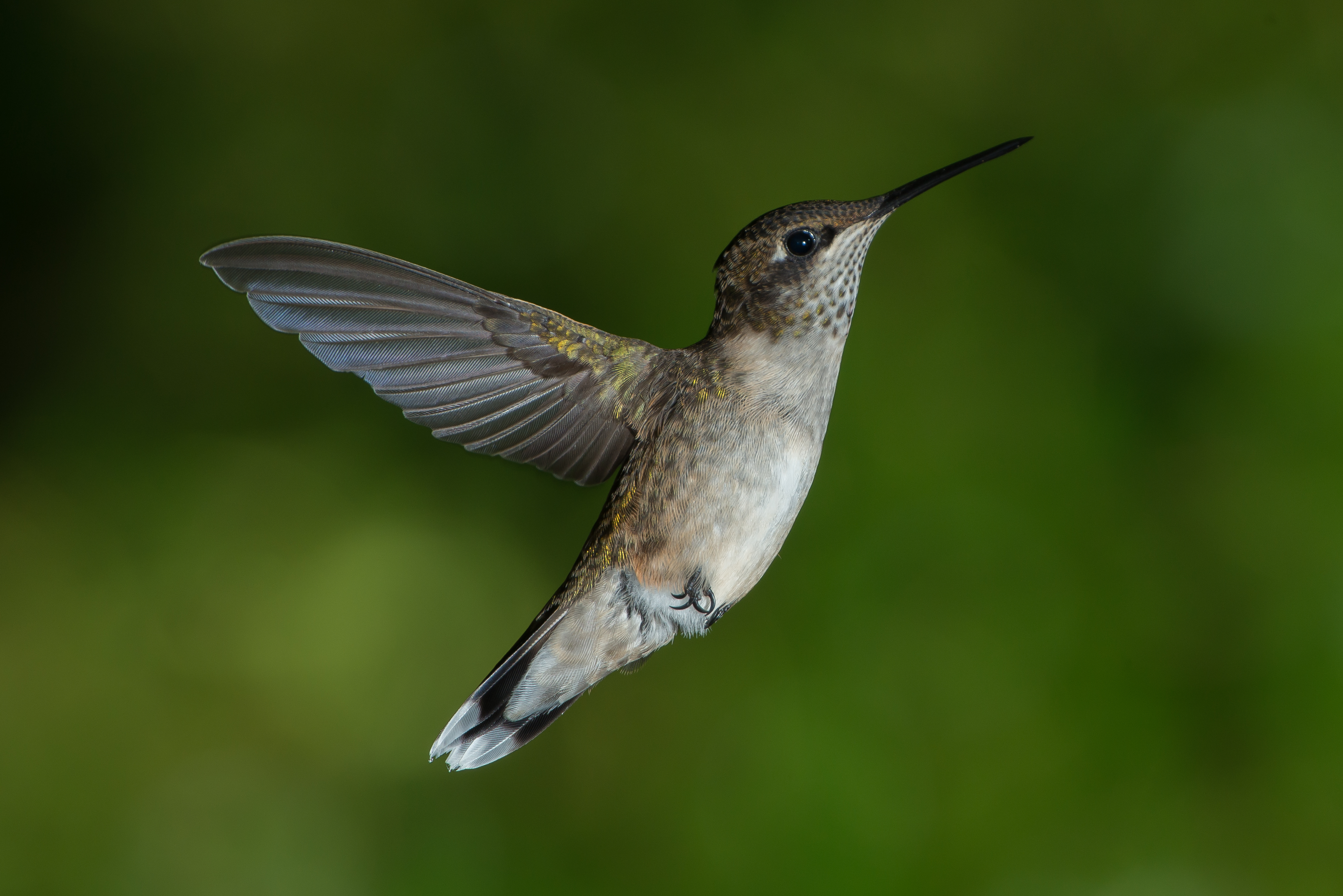
Let me tell you something wonderful: if you plant the right flowers and put out a clean feeder, a hummingbird will choose your yard as a stopover on one of the most incredible journeys in the animal kingdom. Ruby-throated Hummingbirds weigh about three grams — roughly the same as a penny — and in late summer, they are eating half their body weight in sugar every single day. Why? Because they are about to fly 500 miles nonstop across the Gulf of Mexico to reach their wintering grounds. And your garden can be their gas station.
Why Hummingbirds Need Your Help
It is easy to think of hummingbirds as self-sufficient little jewels, flitting from flower to flower without a care. But the truth is more complicated. Hummingbird populations are declining across North America, driven by habitat loss, pesticide use, and climate change that is shifting bloom times out of sync with migration schedules. A well-timed garden can literally be the difference between a successful migration and a fatal one.
Here is the good news: helping hummingbirds is one of the easiest and most rewarding things you can do in your garden. You do not need acres of land. You do not need a green thumb. You just need to know what they like, when they need it, and how to keep things clean.
The Perfect Garden Setup
Hummingbirds are drawn to tubular, nectar-rich flowers in shades of red, orange, and pink. Why red? Their vision is attuned to it. While bees see yellows and blues best, hummingbirds have excellent red perception, and flowers that evolved with hummingbird pollinators advertise themselves in just those colors. Here are the plants that work best:
The trick is to plant in clusters and to stagger bloom times. You want something flowering from April (when the first migrants arrive) through September (when the bulk of the population is passing through). A single blooming patch in July is nice. A succession of blooms across five months is a lifeline.
Feeder Tips That Actually Work
A feeder is a supplement, not a replacement for flowers. But it is a fantastic supplement. Here is the recipe: one part white granulated sugar to four parts water. That is it. No red dye. No honey. No artificial sweeteners. Boil the water, stir in the sugar until dissolved, let it cool, and fill your feeder. The solution keeps for about a week in the refrigerator, but in hot weather it can spoil in the feeder within two days.
Cleanliness is everything. Hummingbirds are susceptible to fungal infections that can spread rapidly through contaminated feeders. Clean your feeder with hot water and a bottle brush every time you refill it. If you see black mold, soak the parts in a dilute bleach solution (one tablespoon per gallon of water), rinse thoroughly, and air dry before refilling. When in doubt, clean more often. The birds will thank you for it.
- Place feeders in partial shade — nectar spoils slower in cool spots
- Hang multiple feeders out of sight of each other — hummingbirds are territorial
- Use feeders with bee guards if wasps become a problem
- Bring feeders inside on nights below freezing, or use heated feeders
- Never use red dye — it has been linked to tumors in lab studies
When to Expect Them
Timing varies by latitude, but here is a general guide for Ruby-throated Hummingbirds in eastern North America:
Migration Prep: Your September Checklist
If you do nothing else, do this: in late August or early September, give your garden a quick audit. Are your feeders clean and full? Are there late-blooming flowers still producing nectar? Is there a water source — a mister, a shallow dish, a dripper — where birds can bathe and drink? Hummingbirds need to bathe daily, and a gently dripping water feature can be as attractive as any flower.
And please, skip the pesticides. A hummingbird garden should be a bug-friendly garden. Those tiny spiders and gnats you are tempted to spray? They are protein sources for hummingbirds, especially for growing chicks. A healthy ecosystem supports itself — flowers feed hummingbirds, hummingbirds pollinate flowers, and insects fill the gaps. It is a cycle worth protecting.
“A Ruby-throated Hummingbird weighs about three grams — roughly the same as a penny. And in late summer, they are eating half their body weight in sugar every single day. Your garden can be their gas station.”— The Avian Society Backyard Guide
The best part of hummingbird gardening? The payoff is immediate. Plant a trumpet vine this spring, and by August you will have a visitor hovering at your kitchen window, its wings a blur, its throat catching the sunlight like a living jewel. That is not just a garden. That is a front-row seat to one of nature's greatest shows. And all it takes is a few flowers, a clean feeder, and a little bit of care.