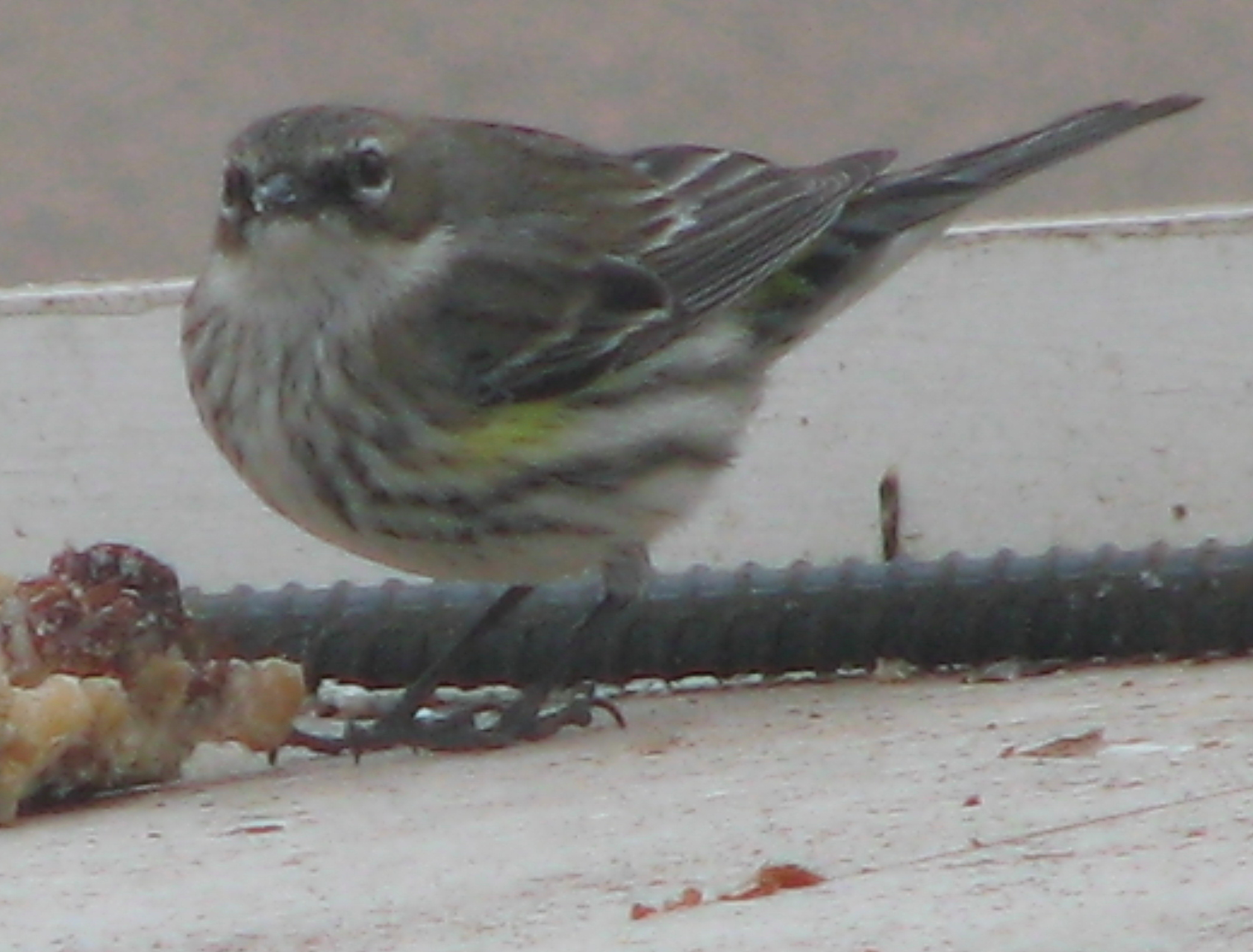
Fall warblers are the birding equivalent of a timed puzzle. The leaves are turning, the light is fading, and every small bird in the canopy seems to be wearing the same drab costume. That flash of yellow you chased for twenty minutes? Probably a Yellow-rumped Warbler. The one with the faint eye ring? Could be a Tennessee, a Nashville, or just a bad angle on a Parula. The frustration is real. But so is the satisfaction of sorting them out.
Why Fall Warblers Are Hard
In spring, male warblers are in their breeding finery — crisp, saturated, unmistakable. A Blackburnian Warbler in May is a flame in the treetops. In September, that same bird is a washed-out orange-yellow blur with streaks. Juveniles and females of most species are even subtler, and fall molt adds patchiness and wear that can obscure key field marks. To make matters worse, many species overlap in appearance during autumn, creating a field of look-alikes that would challenge even experienced observers.
The key is to shift your identification strategy. In spring, you can rely on color and pattern. In fall, you need to focus on structure, behavior, and a smaller set of diagnostic features. Forget trying to see every feather. Look at shape, proportions, and movement first. Color comes second.
Key Field Marks
When faced with a confusing fall warbler, start with these structural questions before you even worry about plumage:
- Size and shape — Is the bird compact and short-tailed (like a Yellow-rumped), or slender and long-tailed (like a Black-and-white)?
- Bill thickness — Thick and blunt suggests a Bay-breasted or Blackpoll; thin and sharp suggests a Tennessee or Nashville.
- Wing bars — One bold wing bar points to species like Blackburnian or Chestnut-sided. Two faint wing bars suggest Orange-crowned or Nashville.
- Undertail pattern — This is underutilized. Yellow-rumped has dark centers with white corners. Palm Warbler is mostly yellow underneath with dark streaks.
- Behavior — Does it pump its tail (Palm Warbler)? Does it hang upside down (Black-and-white)? Does it flit actively in the outer canopy (most Parulids)?
The Big Six
These are the species you are most likely to encounter in the eastern United States during September and October. Master these six, and you will be able to sort out the majority of your fall warbler sightings.
Yellow-rumped Warbler
By far the most common. Look for the pale throat (Myrtle subspecies) or yellow throat (Audubon's), yellow patches on the sides, and the diagnostic yellow rump patch visible in flight.
Palm Warbler
A ground-forager that constantly pumps its tail. Brownish overall with a yellow undertail and a thin chestnut cap in adults. Often seen in open grassy areas near trees.
Blackpoll Warbler
Streaked olive above with faint streaking below. Look for the pale legs (most warblers have dark legs) and the distinctive buzzy, high-pitched song if it is still vocalizing.
Bay-breasted Warbler
Females and fall males are streaked and buffy, but retain a faint buff wash on the flanks. The heavy bill and bold facial pattern help separate it from the similar Blackpoll.
Tennessee Warbler
Plain gray-green above, clean white below, with a pale eyebrow stripe and a thin bill. No wing bars. Often described as ‘featureless,’ which is actually a feature.
Nashville Warbler
Gray head, olive back, clean yellow throat and breast with no streaking. The gray hood contrasts with the yellow underparts. Usually in dense understory.
Tips from the Field
Here is what experienced birders do when faced with a confusing fall warbler. First, take a photograph if you can. A single frame will show details your brain may have missed in real time — the exact undertail pattern, the presence or absence of an eye ring, the color of the legs. Second, do not guess. If you are not sure, make a note of what you did see and compare it later with a field guide. Third, learn the common species cold. If you know Yellow-rumped Warblers well enough to identify them in a half-second glance, your brain will free up cognitive space to focus on the bird that does not fit.
Fall warblers are a test. They ask you to slow down, to look closer, to accept uncertainty. And when you finally sort out that drab little bird flitting in the undergrowth — when you realize it is a Connecticut Warbler, rare and secretive, pausing in your patch of woods for just a day on its way to Bolivia — the satisfaction is unlike anything in birding.
The best advice I ever received about fall warblers came from a veteran birder in Cape May: “Do not look for what is there. Look for what is not.” If a bird lacks wing bars, lacks streaking, lacks bold facial patterns — that absence is information. Build your identification from the negative space, and the puzzle will start to solve itself.