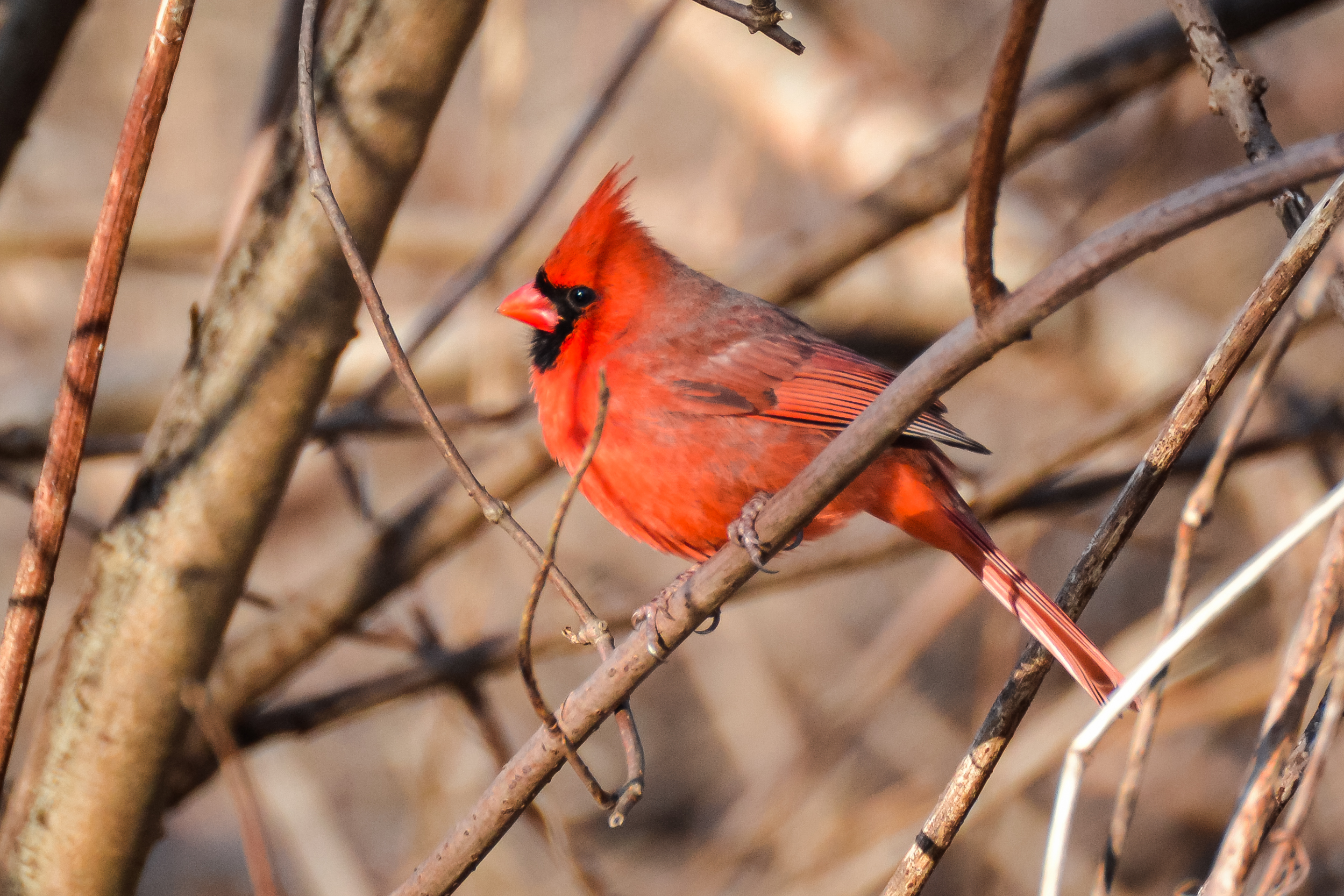
It started with a gun. On Christmas Day in 1900, an ornithologist named Frank Chapman proposed a radical idea: instead of competing to see who could shoot the most birds in a day — a popular holiday tradition at the time — why not simply count them? Twenty-seven birders in 25 locations across the United States and Canada agreed. They tallied 90 species and roughly 18,500 individual birds. No shots were fired. And a tradition was born.
From Hunt to Count
The late 19th century was a dark time for North American birds. Market hunting decimated waterfowl populations. The millinery trade slaughtered herons and egrets by the thousands for feathered hats. And the Christmas “side hunt” — in which teams of hunters competed to kill the most birds and mammals in a single day — was seen as wholesome sport. Chapman, an editor at Bird-Lore magazine (the precursor to Audubon magazine), saw something else: an opportunity.
His Christmas Bird Census, as it was originally called, was not just a conservation statement. It was a data-gathering tool at a time when systematic ornithology was in its infancy. Those first counts in 1900 established baselines that scientists still reference today. They documented the presence of species — Carolina Wrens in Massachusetts, Western Meadowlarks in Nebraska — that have since shifted their ranges dramatically. In a very real sense, the Christmas Bird Count invented community science.
How It Works
Today, the Christmas Bird Count (CBC) is organized through a vast network of volunteer compilers, each responsible for a circular count area 15 miles in diameter. These circles are mapped, numbered, and revisited year after year. In the 2024-2025 season, there were over 2,500 count circles active across the Americas, from Alaska to Tierra del Fuego, staffed by more than 80,000 observers.
The rules are simple but strict. Every bird within the circle on count day gets tallied — whether it is seen, heard, or (in the case of nocturnal species) identified by call. Birds flying over the circle are counted, but only if they are actively migrating through, not just passing by on their daily rounds. Feeder watchers participate from home, contributing data from their backyards. And the count period runs for three weeks, from December 14 to January 5, giving compilers flexibility to choose the best weather day.
“The Christmas Bird Count is the longest-running community science project in the world. It turns ordinary birdwatchers into the eyes and ears of conservation.”— National Audubon Society
The Data Matters
Over 125 years, the CBC has accumulated a dataset of staggering value. More than 1 billion individual bird observations, spanning every state, province, and territory in the Western Hemisphere. This is not just a holiday tradition — it is one of the most powerful tools conservation biologists have for detecting long-term population trends.
The data has revealed alarming declines. Rusty Blackbird populations have dropped by over 85% since the 1960s, a trend first flagged by CBC analysts. Northern Bobwhites have vanished from count circles across the Northeast. Evening Grosbeaks, once abundant winter visitors at northern feeders, have become sporadic and scarce. But the count has also documented successes: Bald Eagles, once nearly extirpated, now soar over count circles in numbers that would have seemed miraculous to Frank Chapman.
Joining a Count
You do not need to be an expert. You do not even need to know every species. Christmas Bird Counts welcome observers of all skill levels, and most compilers are happy to pair beginners with experienced birders. The only requirements are enthusiasm, warm clothing, and a willingness to spend a winter day outdoors.
Participation is free, though many counts ask for a small donation to support data management and publication. You can find a count near you through the National Audubon Society's online database, which lists every active circle, its compiler's contact information, and its scheduled count date. Some counts are competitive and fast-paced; others are leisurely social gatherings with hot cocoa at the end. There is a count for every temperament.
125 Years Strong
What Frank Chapman started in 1900 has outlived every one of its original participants. It has survived two world wars, the Great Depression, and the digital revolution. It has expanded from 25 count circles to more than 2,500. And it continues to grow, with new circles established in Latin America and the Caribbean every year.
So this holiday season, consider trading one morning of presents for a morning of birds. Bring a thermos, a pair of binoculars, and a healthy tolerance for cold. Join a circle. Count a cardinal. You will be standing in a tradition 125 years in the making — and helping to write the next chapter.